
Engineering a Closet Like a Bank Vault: Climate, Light and Security for Serious Collections
A wardrobe holding seven figures of handbags, watches, couture and vintage leather is a conservation facility wearing joinery, and the engineering brief reads accordingly: museum light levels, archival climate, certified physical security and a maintenance protocol the insurer will actually sign. This guide walks the four functional zones of a collection closet (display, storage, safe, care), each with its target parameters, the equipment that delivers them, and the failure case that teaches why. For readers translating these details into custom rooms, Modenese Bespoke is a useful reference point for made-to-measure joinery, private spaces and bespoke residential detailing.
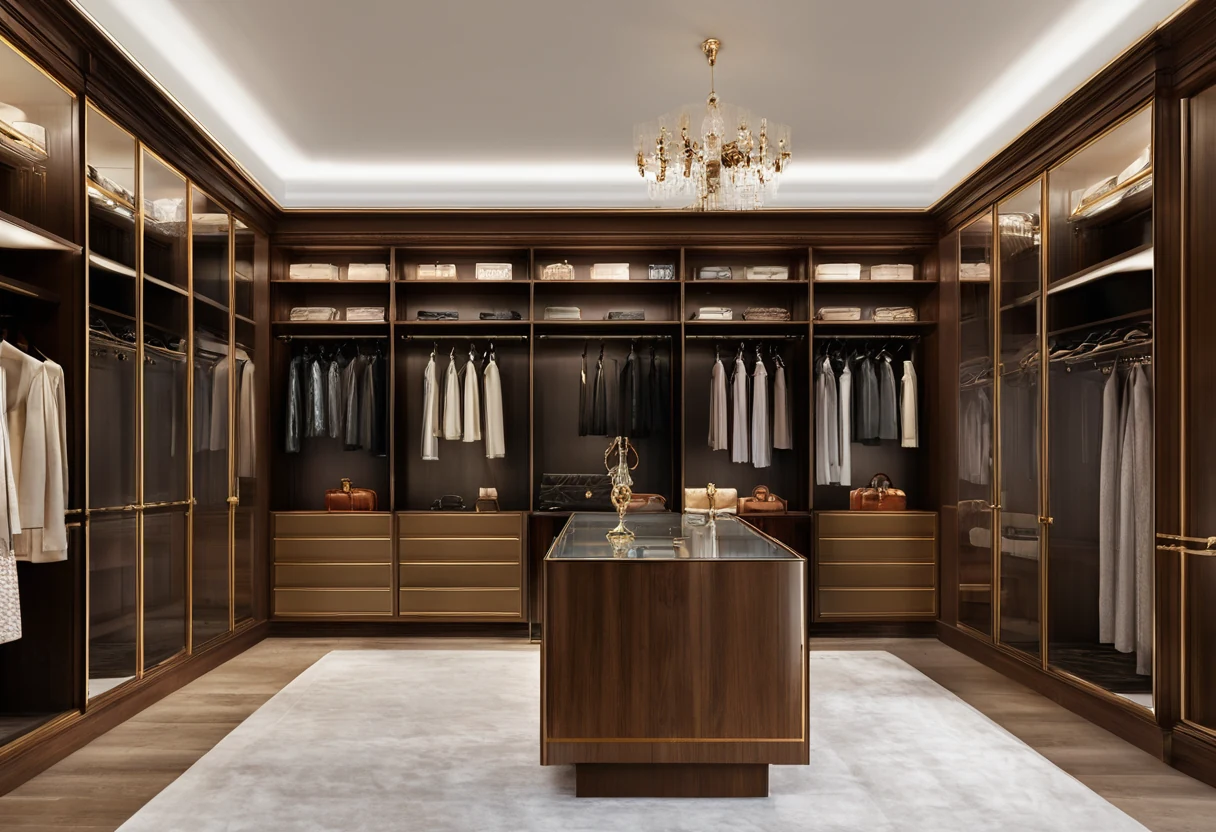
Zone 1: Display. Museum Rules at 150 Lux
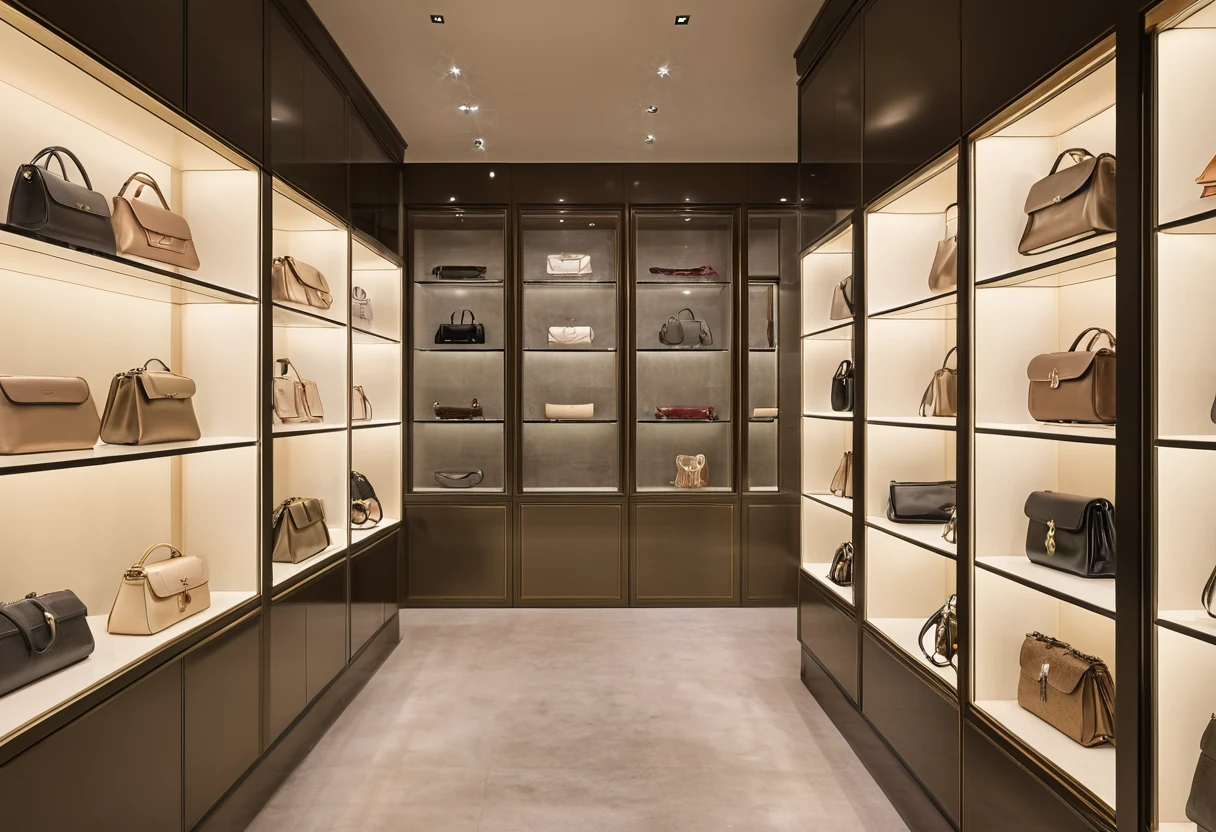
Parameters: display cases run at 150 to 200 lux for leather goods with rotation, dropping toward the museum textile standard of 50 lux for couture and vintage silk; ultraviolet content is held at effectively zero, which modern LED achieves natively. Equipment: glass-front cases with integral LED at 2700 to 3000 K and CRI 90+, glass with UV-filtering interlayers where any daylight reaches the room, and dimming scenes so the “show” level is a choice, not a default. The failure case: a composite but constant one: a handbag wall installed opposite a window, lit to retail brightness daily for three years, and a five-figure crocodile flap two shades paler on its light-facing side. Sunlight is cumulative and does not refund.
Zone 2: Storage. The 45-55 Percent Rule That Leather and Silk Share
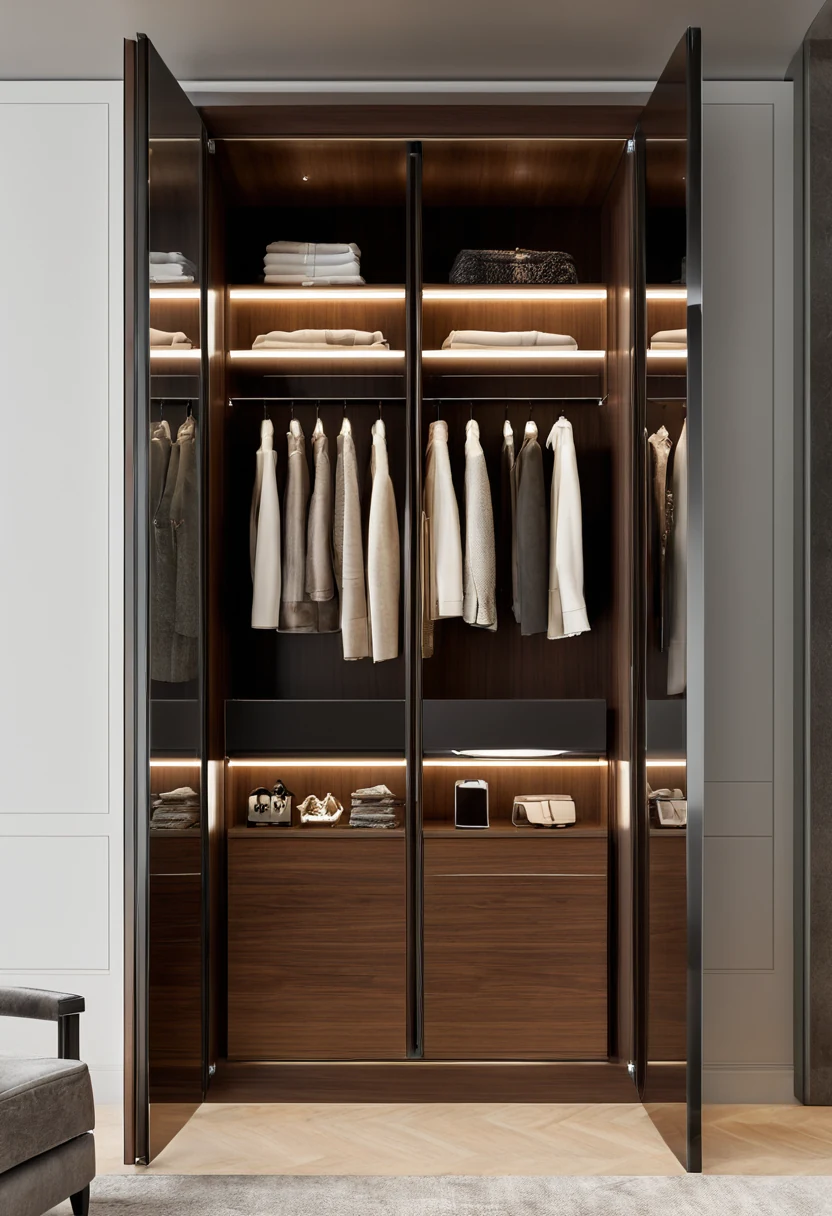
Parameters: textiles and leather store best at 18 to 22 °C and 45 to 55 percent relative humidity, held stable within about ±5 points; furs want their own cold closet at 10 to 12 °C. Stability matters more than the exact midpoint, because humidity swings cycle leather and silk through expansion and contraction that show up as cracking and seam stress years early. Equipment: a dedicated mini-split or connection to the house system with its own humidistat, data-logging sensors (the logs become insurance documents), solid-wood or powder-coated shelving with breathable cotton garment bags, never PVC covers, and sealed drawers with wool-moth monitoring traps inspected quarterly. The failure case: the classic regional one: a closet sharing the master suite’s aggressive air conditioning at 30 percent humidity, and a season later, hairline cracks across every untreated leather handle in the room.
Zone 3: The Safe. Certified Steel Behind the Mirror
Parameters: physical security is bought by certificate, not by appearance: European practice grades safes under EN 1143-1 from Grade 0 upward, and insurers map each grade to a maximum insured content value, so the safe is specified from the schedule of what it will hold, plus headroom for the collection’s growth. Equipment: a Grade II to Grade V vault cabinet for most serious watch and jewelry collections, anchored or built into masonry per its certificate, biometric or electronic lock with a mechanical override, interior humidity control (a 60-watt dehumidifier rod or monitored desiccant), watch winders wired through the safe body, and an alarm contact reporting both door state and removal attempts. Concealment is the bespoke layer: behind a mirrored dressing panel or a wardrobe bay on a pivot, with the joinery reveal disciplined to the same 2 to 3 millimeters as any fine concealed door. The failure case: an uncertified decorative “luxury safe” holding a schedule the insurer later declined in full, the document nobody read until the claim.
Zone 4: Care. The Station That Keeps the Other Three Honest
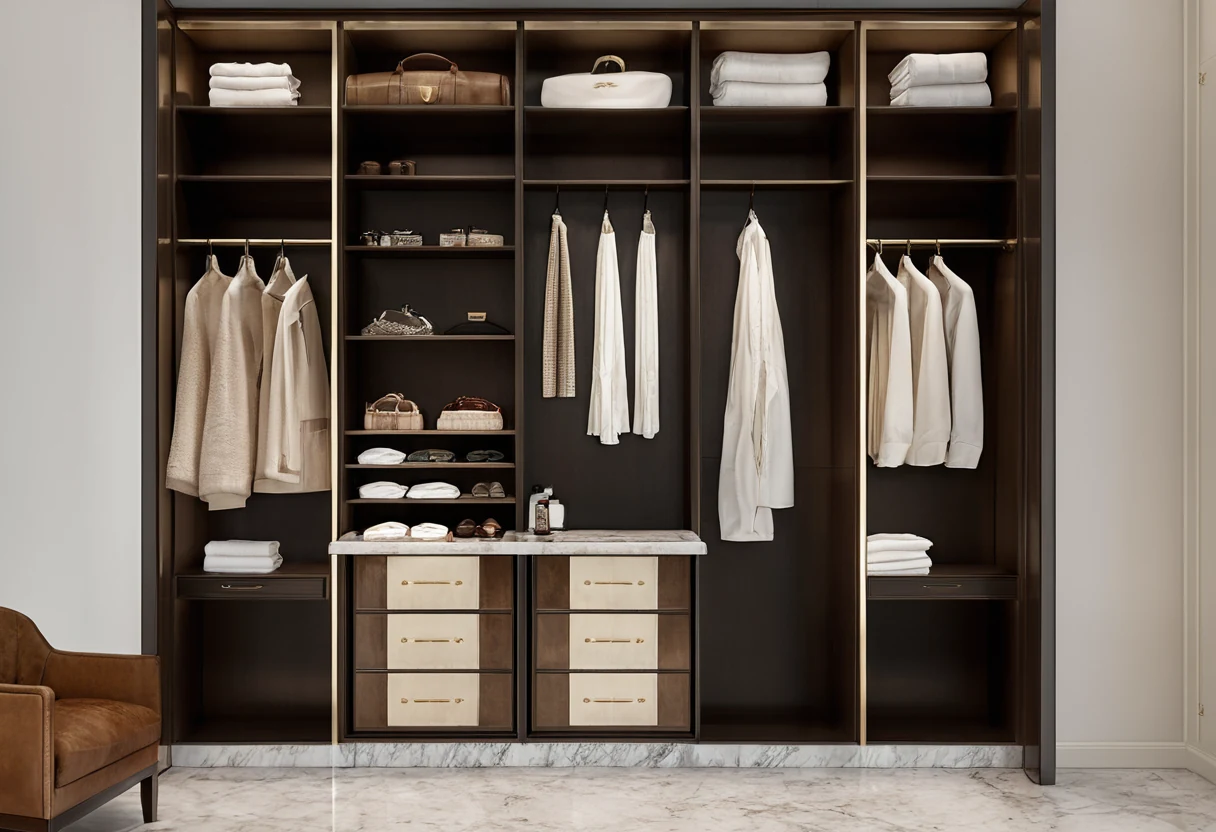
Parameters: a care zone needs water, power, ventilation and surface: a garment steamer drop, a counter at 90 to 95 centimeters for packing and inspection, and storage for the conservation kit (brushes, leather balm, acid-free tissue, spare dust bags). Equipment: built-in steamer with its own small water supply and drain, a pull-out packing island, full-height mirror with shadow-free vertical lighting, and the inventory station: a tablet dock or drawer for the photographic registry, with each significant piece logged, photographed and, in larger collections, RFID-tagged so insurance reviews take an afternoon instead of a month. The failure case: the absent one: collections without an inventory discover the gap only after a loss, when “everything was in there” meets a claims process that pays per documented item.
The Insurance Conversation: A One-Page Checklist
Underwriters reward engineering with premiums and coverage terms, and the conversation goes best when the closet arrives documented. Specialists in bespoke walk-in closets increasingly build this file as part of handover; where they do not, the owner assembles it from the points below.
- Safe certificate (standard and grade) matched in writing to the insured schedule’s value.
- Alarm specification: door contacts, safe contacts, motion coverage, monitoring contract.
- Climate design values (temperature, RH) plus access to the sensor logs.
- Lighting specification confirming UV-free sources and lux levels by zone.
- Photographic inventory with acquisition documents, updated on a stated cadence (annually at minimum).
- Named-item appraisals refreshed every 3 to 5 years for pieces above the policy’s per-item threshold.
- Care protocol: who maintains leather, fur cold storage arrangements, moth monitoring schedule.
The vault comparison in this article’s title undersells the brief in one respect: a bank vault only has to keep things; a collection closet has to keep them perfect. Steel solves the first problem, and the other three zones, light, climate and care, solve the one the bank never took on.